History

Osteopathy was founded by Andrew Taylor Still in 1874. Since then, it has evolved and spread throughout the world. Learn more about the history of osteopathy and its development over the years. History
Osteopathy

History of Osteopathy

1828

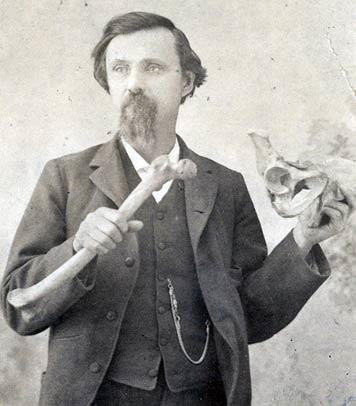
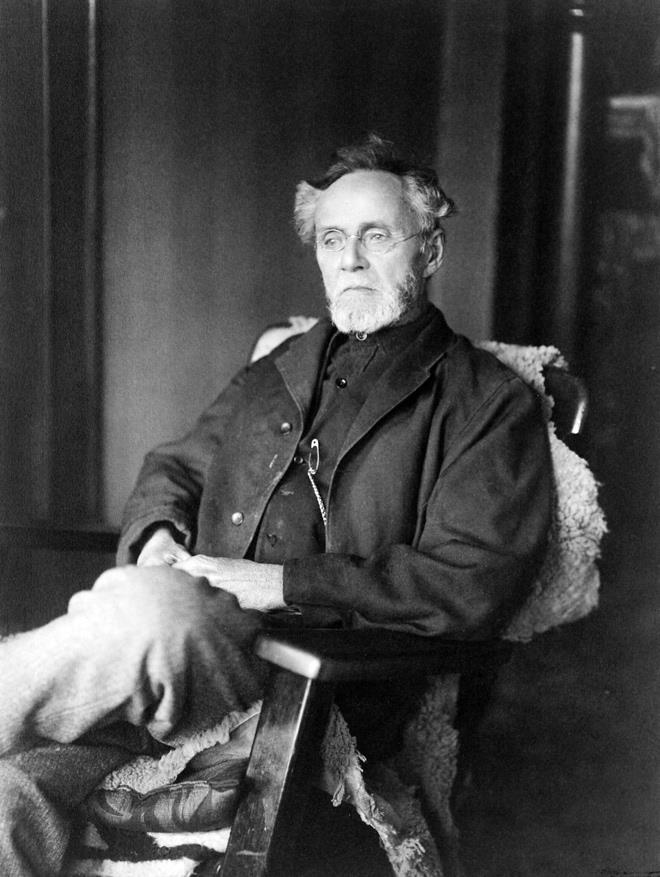
The American Andrew Taylor Still was born in 1828 in Virginia. He was the son of a Methodist minister who was also a physician and farmer. He followed in his father’s footsteps by studying medicine, although he also studied engineering. He stood out for his curious spirit, as well as his mechanistic, rationalist, and analogical thinking. He soon found himself confronted with the limitations of the medicine of his time.

At the end of the American Civil War, an epidemic of meningitis took the lives of three of his children, leaving a profound impact on him and leading him to seek a new form of medicine more in line with the laws of nature.

1874

From 1874 onwards, Still began to practise a form of medicine based on a manual approach that he called OSTEOPATHY. He summarised its fundamental principle in the phrase: “Structure governs function.” His approach was based on promoting the correction of skeletal structure in order to achieve an improvement in organ function. In his own words: “Anatomy is the first, the last, and always present.”


The new techniques he developed himself brought him great success. They attracted a large number of patients, and Still became a well-known figure of his time. Faced with the rapid increase in patients and the growing demand for treatment, he eventually decided to pass on his teachings in order to provide care for a greater number of patients. He was assisted in this process by Dr. W. Smith, a surgical specialist who, after hearing about Still’s results, wanted to personally learn his treatment techniques.

1892

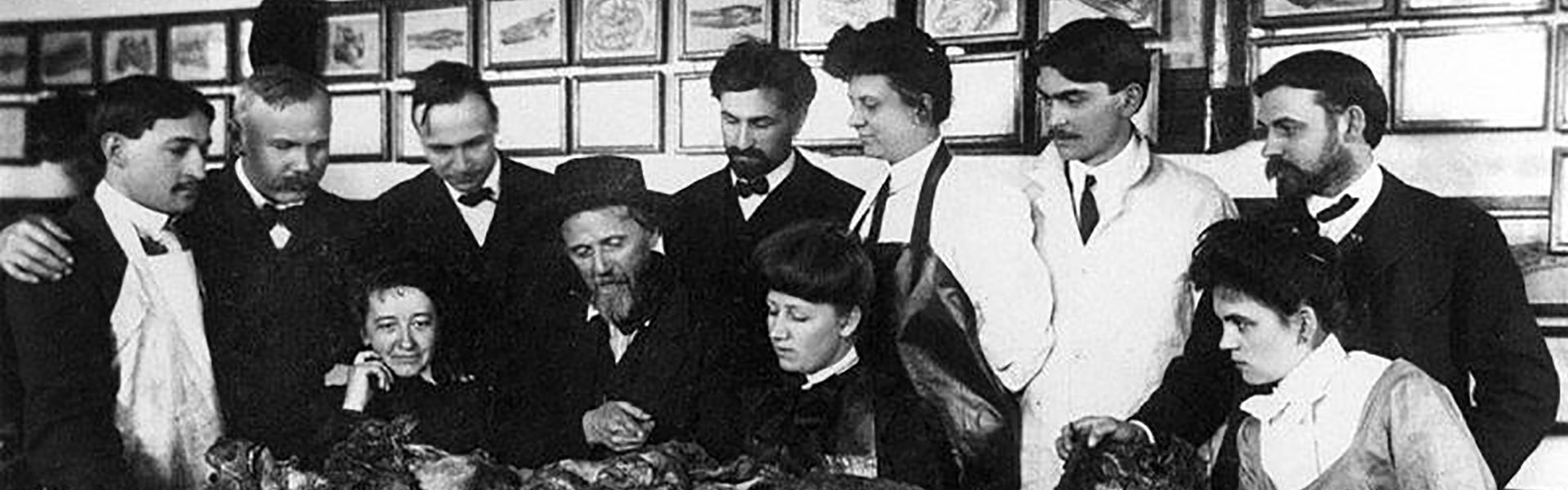
In 1892, they founded the first school of osteopathy in Kirksville, the American School of Osteopathy (now the Kirksville College of Osteopathic Medicine).

1892 - 1900

From 1892 to 1900, the osteopathic movement gained considerable importance.

At the end of the 19th century, A. T. Still retired from teaching and published four books.

1917

On 12 December 1917, Still, nicknamed “the old doctor,” died as a result of a cerebrovascular accident. He was 89 years old at the time.

The Evolution of Osteopathy and Its Arrival in Europe

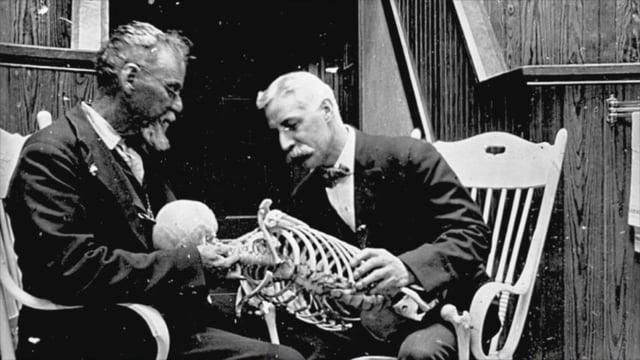
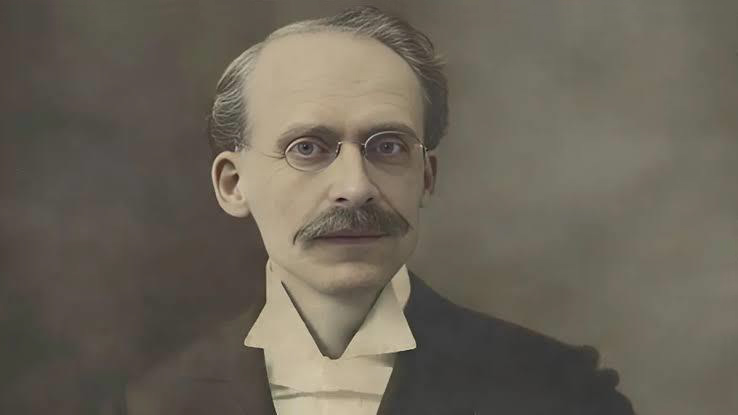
At the end of the 19th century, John Martin Littlejohn, a brilliant Scotsman with four doctorates, enrolled at the Kirksville school. In addition to being a journalist, Littlejohn was a medical doctor specialising in physiology. He quickly became A. T. Still’s right-hand man and was appointed dean of the Kirksville University.

He added fundamental sciences such as Chemistry to the academic curriculum and highlighted the importance of studying Physiology for health. According to Littlejohn: “Physiology is the gateway to the immense world of Osteopathy.”

He founded the Chicago College of Osteopathic Medicine, which became one of the most important schools in the United States.

We owe to Littlejohn the development of a more global and holistic approach to osteopathy, and in particular the emergence of techniques such as T.G.O. (General Osteopathic Treatment, later developed by J. Wernham), which is based on his studies of human biomechanics and, specifically, the influence of gravitational force on posture.

In 1917, Littlejohn left Chicago and returned to Europe. He settled in London, where he founded the British School of Osteopathy. This school became the first osteopathic institution in Europe and continues its academic work to this day.